
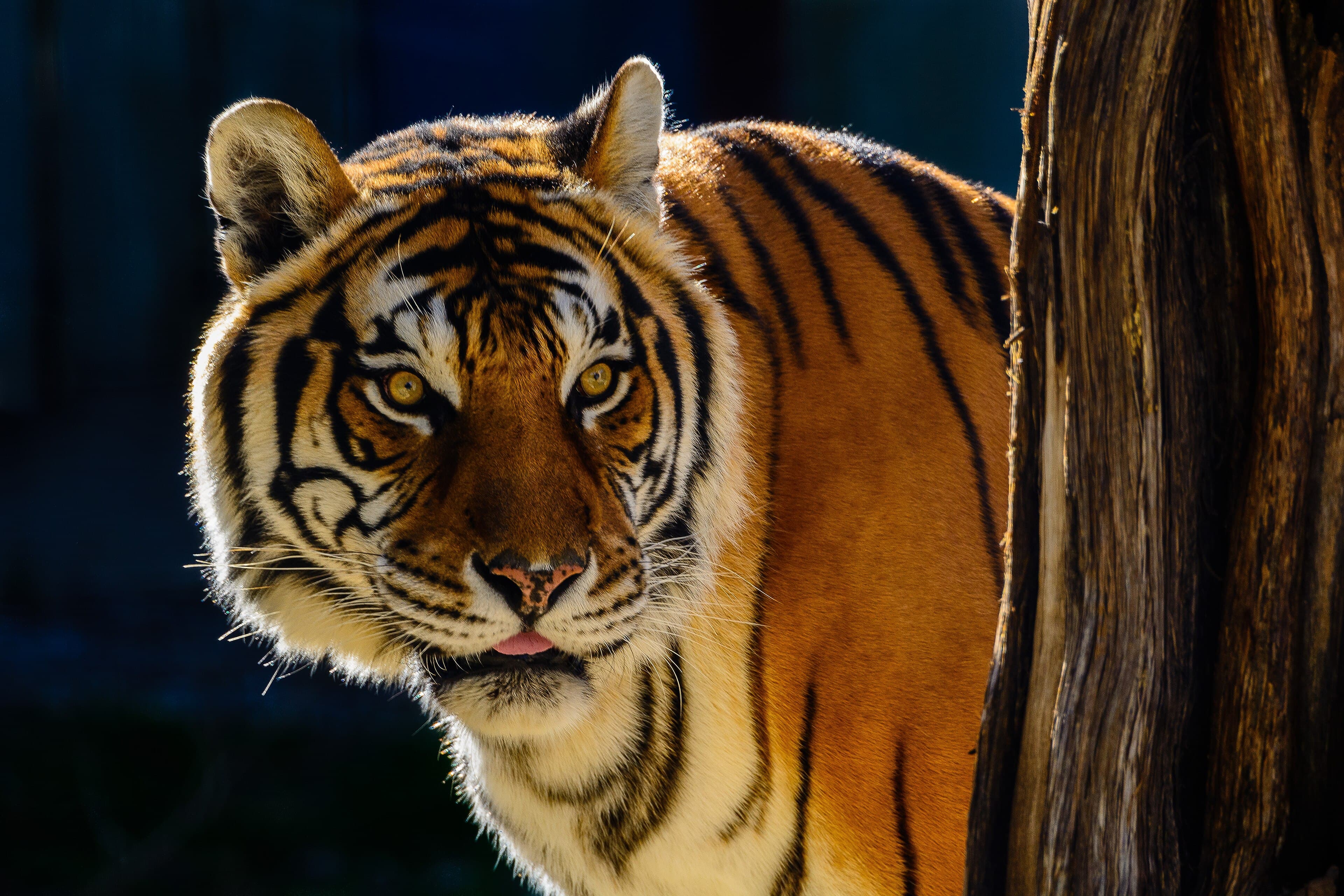
Panna National Park
A Ken River wilderness of ravines, plateaus, and river-edge drama—perfect for a quieter safari with big landscape storytelling.
Panna — quick facts
A clean snapshot to plan seasonality, zones, and trip length.
Why Panna belongs on your list
A different visual language—river, ravines, and an offbeat safari rhythm.
Water changes everything—river bends, rocky edges, and ravines that feel unlike the sal-heavy parks. Boat and night safari options add another rhythm.
India’s 22nd tiger reserve (1994) rebuilt its cats after near-local extinction—today a healthy population and one of conservation’s clearest wins.
Crocodiles, small cats, endangered Indian vultures, and 300+ birds—depth beyond the headline tiger.
Zones and gates
Panna has multiple entry sides and buffer options—great for tailoring crowd levels and route style.
A common entry side for core safari routes and permits.
Another key gate for core routes with classic forest + river moods.
Buffer options for a quieter, exploration-first experience.
Buffer routes—useful when you want more solitude or flexible permits.
Safari styles
Mixing experiences can make Panna feel complete—especially if you love landscapes and birds.
The primary way to explore core and buffer zones—built for tracking and behaviour time.
Where offered seasonally, river time can add birds, reptiles, and a calmer pace.
Combine Panna with Khajuraho for a rare wildlife + culture itinerary that feels premium.
Best time to visit
Sweet spot October–April. Closed July–September for monsoon rest.
Comfortable weather and great for full-day exploration along the Ken.
Warmer days pull wildlife toward river and shade—strong for intensity before peak heat.
Getting to Panna
Most guests combine Panna with Khajuraho or a central India circuit.
Fly to Khajuraho (frequent Delhi connections) and drive about 45–60 minutes to the park.
Regional railheads connect to a final road transfer.
Great for circuits: Bandhavgarh → Kanha → Panna (or vice versa).
Photography tips
Panna rewards landscape thinking—these tips help you capture it well.
Panna rewards ‘landscape + animal’ frames—use river bends and ravine lines to build story shots.
Open edges can stay photogenic mid-day—especially around water.
A second body/lens for wider habitat frames can elevate your portfolio here.
A few frames from Panna
Tap a frame to expand. Browse the full gallery filtered to this park.
Common questions
Is Panna good for first-time safari travellers?+
How many nights should I plan?+
Is a boat experience always available?+
Want us to plan your Panna safaris?
Tell us your dates and your focus (tigers, birdlife, landscapes, or a balanced journey).
Keep exploring
Jump to the next or previous park in our expedition list.
Dense sal forests, bamboo, and close-range tiger country—heritage woven into the jungle.
Big Five year-round, high predator density, and the iconic Great Migration—one of the world's great safari stages.
Related parks
Compare a few other parks—each has a distinct style of safari, light, and landscape.
Open dry deciduous forest, charcoal roads, and waterhole magnets—built for high-contrast, cinematic tiger frames.
A photographer's paradise—winter light through sal forests, regal tigers, and the endangered hardground Barasingha.
Dry deciduous teak, wild dogs, and river-edge drama—Kanha’s quieter neighbour with a legendary tigress legacy.
Read before you go
Panna is a conservation success story. Here's what to know before you visit.