
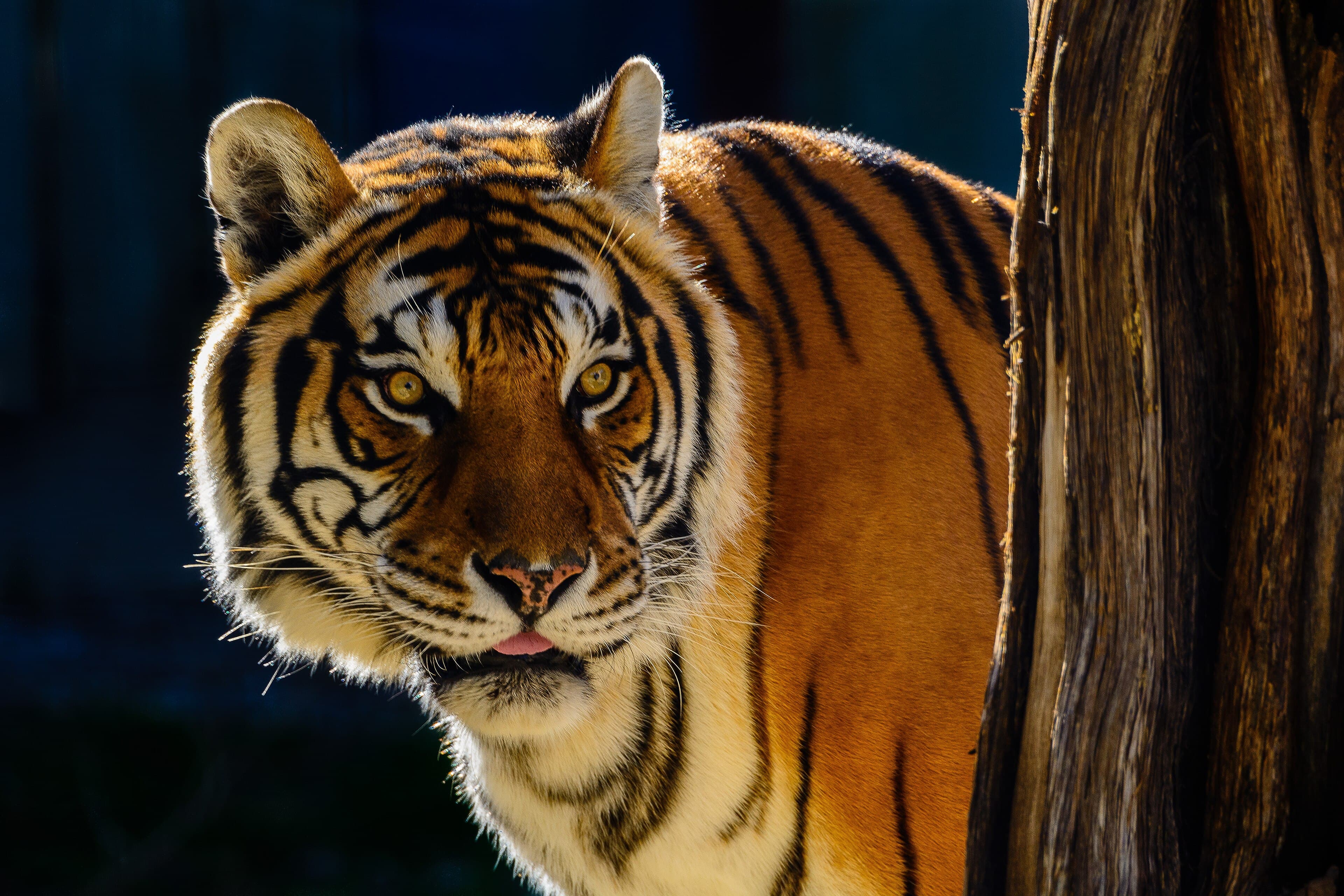
Dudhwa National Park
A Terai wilderness of tall grasslands and wetlands—quiet, offbeat, and designed for serious wildlife immersion.
Dudhwa — quick facts
A clean snapshot to plan seasonality, circuits, and trip length.
Why Dudhwa is special
Dudhwa is not ‘another tiger park’—it’s a Terai ecosystem safari.
A different India: tall grasses, wetlands, and a raw, quiet rhythm that feels genuinely wild.
A signature grassland species and a highlight for anyone who loves ecosystem diversity.
Wetlands and grassland edges can deliver strong birdlife—raptors, waterbirds, seasonal variety.
Three safari circuits
Dudhwa is often best experienced as a wider reserve circuit—each area has a different feel.
Tall grasslands and marshy edges—the classic Terai mood and strong habitat variety.
Sal forests and quieter routes—often a great complement to core drives.
River habitats and aquatic wildlife—where boat time (if offered) adds a new dimension.
Safari styles
Mixing jeep safaris with habitat-focused exploration makes Dudhwa feel complete.
The main way to explore tracks through grassland edges and sal forest mosaics.
Dudhwa shines when you treat it as a wider circuit (multiple protected areas), not a single park tick.
Where offered (and depending on water levels), river time can add aquatic wildlife and a calmer pace.
Best time to visit
Most Terai parks are best in cooler, drier months for visibility and comfort.
Comfortable temperatures, foggy mornings, and beautiful light.
Warmer but still pleasant—often excellent for long drives.
Getting to Dudhwa
We’ll route you via the most practical gateway for your dates, then connect by road.
Lucknow is a common air gateway for many itineraries.
Regional railheads connect to a final road transfer.
Offbeat but doable—best with a well-timed itinerary around safari slots.
Photography tips
Terai safaris reward patience—these tips help you make the most of it.
Tall grass can hide subjects. We work angles and patience—small openings often become the frame.
Terai light can be gorgeous—rim light on grass, foggy winter mornings, silhouettes.
This is a habitat park. Give it time: longer, slower drives beat a rushed ‘hope for a tiger’ approach.
A few frames from Dudhwa
Tap a frame to expand. Browse the full gallery filtered to this park.
Common questions
Is Dudhwa mainly a tiger park?+
How many nights should I plan?+
What’s the best season?+
Want us to plan your Dudhwa circuit?
Tell us your dates and your focus (grassland species, birds, big cats, or a balanced journey).
Keep exploring
Jump to the next or previous park in our expedition list.
A Ken River wilderness of ravines and plateaus—quiet, cinematic landscapes with a powerful comeback story.
Big Five year-round, high predator density, and the iconic Great Migration—one of the world's great safari stages.
Related parks
Compare a few other parks—each has a distinct style of safari, light, and landscape.
Sal forests, golden grasslands, Ramganga river frames, and standout birdlife—an ecosystem-rich safari canvas.
Bold tigers against ancient ruins and fort backdrops—rare frames found nowhere else.
Charcoal-black roads, dry deciduous forest, and buffer-zone action—built for high-contrast, cinematic tiger frames.