
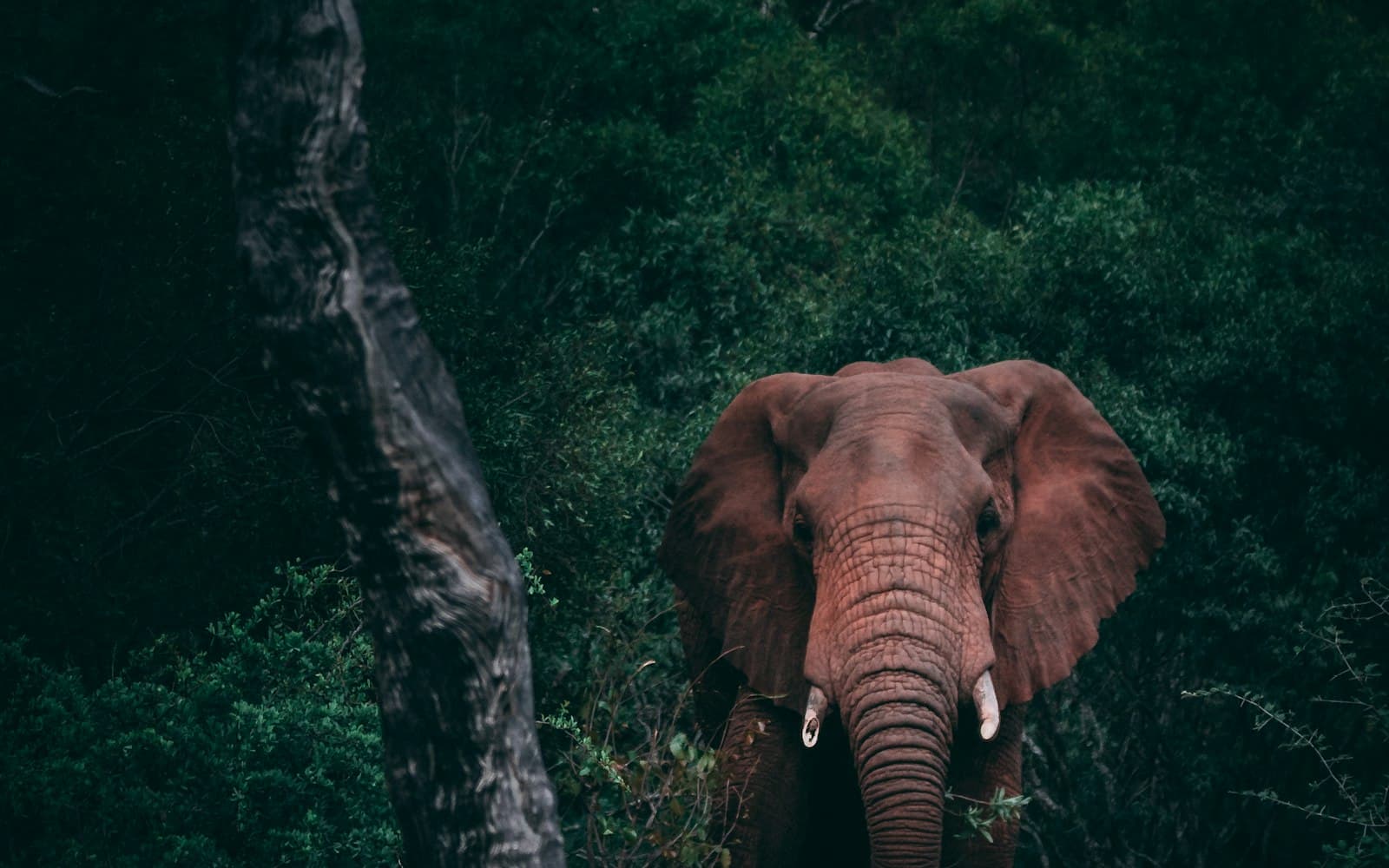
Pench National Park
A teak-forest tiger stage of meadows, river edges, and wild-dog country—legendary for Collarwali, cinematic for photographers, and perfectly paired with Kanha.
Pench — quick facts
Season, access, and habitat in one glance—then we tailor permits and pace.
Rough scale: ~758 km² · tiger estimates 40–50 · suggested stay 6–7 nights.
Why Pench feels different
Not a quieter Kanha clone—its own teak geometry, pack energy, and corridor story.
Dry deciduous teak with meadow openings and river edges—excellent visibility when the forest opens after leaf-fall.
The late tigress Collarwali’s extraordinary cub record put Pench on the world tiger map—behaviour stories still shape how we read this park.
The Pench–Kanha corridor links two great central India stages—ideal for multi-park photography circuits.
- Linked to Kanha by the Pench–Kanha corridor—two forests, one ecosystem story.
- Collarwali’s extraordinary cub record put Pench on the global tiger map.
- Spy in the Jungle (narrated by David Attenborough) was filmed in these locales.
Gates and route styles
MP and Maharashtra sides share one forest story with different permit logistics—we pick for your dates.
Common Madhya Pradesh gateways for core routes and classic teak-forest drives.
Maharashtra approaches that share the same ecosystem with a different permit rhythm.
Tracks near water and open edges—prime for cats, birds, and layered habitat frames.
Useful for flexibility and quieter hours when core permits are tight.
Who shares the teak
Tigers, leopards, dholes, gaur, sloth bears, jackals, and 210–250+ bird species.
Resident cats across teak and meadow mosaics—patience pays.
Rocky and denser pockets reward sharp eyes.
Pench is one of central India’s strongest dhole stages.
Nilgai, chital, sambar, and gaur sustain the predator story.
210+ species including migrants—strong for mixed photography days.
Best time to visit Pench
October to June. Closed July to September for monsoon rest.
Cooler drives, soft light through teak, and comfortable full-day exploration.
Hotter, clearer understory, and stronger pull toward water—often the intensity season for cats.
Getting to Pench
Fly to Nagpur, then a road transfer of about 3 hours.
Nagpur connects well from major Indian cities—then a straightforward road transfer into tiger country.
Ideal midpoint for Tadoba ↔ Pench ↔ Kanha circuits when dates and permits align.
Tailor-made; we usually recommend 6–7 nights for photography-led trips.
Photography tips
Pench rewards habitat frames and sudden pack energy—plan for both.
Vertical trunks and open understory make clean portraits—watch for dust shafts after leaf-fall.
Dhole crossings can be sudden. Keep a mid-tele ready and don’t over-zoom past the story.
If your circuit includes Kanha, use Pench for teak texture and Kanha for meadow theatre.
A few frames from Pench
Tap a frame to expand. Browse the full gallery filtered to this park.
Common questions
How does Pench compare to Kanha?+
How many nights should I plan?+
When is Pench closed?+
How do I reach Pench?+
Want us to plan your Pench safaris?
Choose Pench for teak forest mood, wild dogs, and a quieter Kanha-adjacent circuit.
Keep exploring
Jump to the next or previous park in our expedition list.
A photographer's paradise—winter light through sal forests, regal tigers, and the endangered hardground Barasingha.
Bold tigers against ancient ruins and fort backdrops—rare frames found nowhere else.
Related parks
Compare a few other parks—each has a distinct style of safari, light, and landscape.
Open dry deciduous forest, charcoal roads, and waterhole magnets—built for high-contrast, cinematic tiger frames.
A photographer's paradise—winter light through sal forests, regal tigers, and the endangered hardground Barasingha.
Dense sal forests, bamboo, and close-range tiger country—heritage woven into the jungle.
Read before you go
Compare Pench with the other central India stages, then lock season and circuit.